
Geographical Location
Northwestern European Russia, stretching from the Baltic Sea toward the Arctic Ocean and Russia's northern territories.
🎓 Students: admission@rus-edugate.com
🤝 Partners: partnerships@rus-edugate.com
📞 +7 993 631 31 98


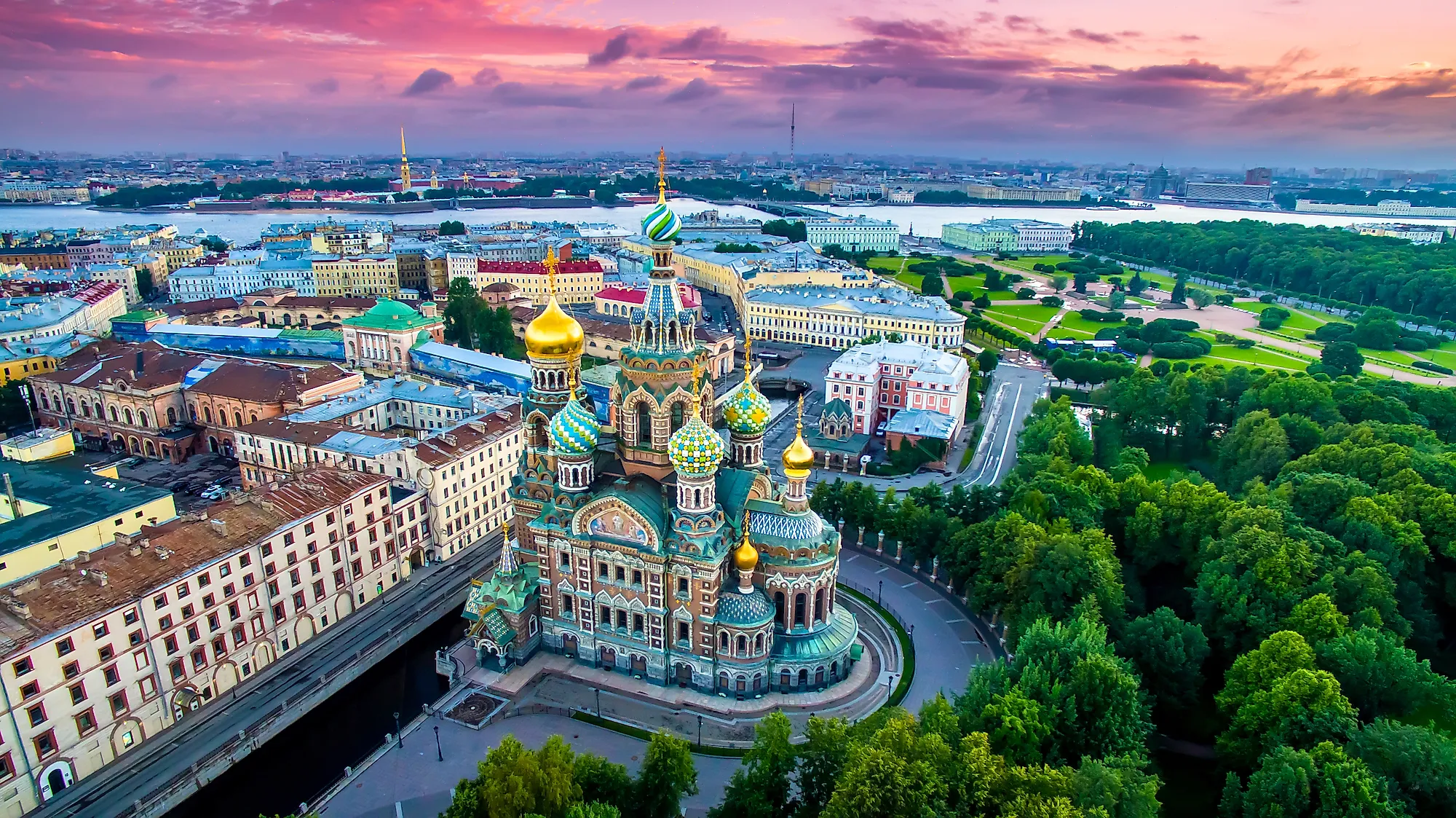
Discover universities in St. Petersburg and North-West Russia. Explore historic university cities, academic opportunities, living costs, accommodation, climate, and student life across one of Russia's most distinctive regions.
University figures reflect EduGate's current directory, not the total number of higher education institutions in North-West Russia.
Study in St Petersburg Russia and discover university opportunities across one of the country's most geographically diverse and historically important regions. North-West Russia stretches from the Baltic coast toward the Arctic north, bringing together major cultural centres, university cities, lakes, forests, and northern coastal landscapes. For international students, the region offers different academic environments and distinctive experiences beyond the classroom.
Saint Petersburg is a major educational and cultural centre in this part of Russia. Its universities and research institutions attract students interested in engineering, information technology, medicine, architecture, economics, humanities, and the arts.Students researching universities in St Petersburg Russia can compare institutions, available programmes, languages of instruction, and admission requirements before making a decision.
Beyond Saint Petersburg, students can explore universities in Kaliningrad, Petrozavodsk, Arkhangelsk, Syktyvkar, Vologda, and Veliky Novgorod .These destinations differ in size, academic specialisations, climate, accommodation options, and everyday living conditions.Exploring these regional cities can help students identify a destination that matches their academic interests and preferred lifestyle.
Choosing to study in North-West Russia involves comparing universities as well as the cities around them.This EduGate guide introduces the region's educational destinations, academic opportunities, student accommodation, local lifestyle, weather, transportation, and practical factors that international students should consider before applying.To learn more about application assistance and student guidance, explore EduGate's services for international students.
Essential information about the geography, education, climate, and student destinations of Northwestern Russia.
Northwestern European Russia, stretching from the Baltic Sea toward the Arctic Ocean and Russia's northern territories.
11 federal subjects, including Saint Petersburg, several oblasts, two republics, and Nenets Autonomous Okrug.
46 university listings in EduGate's current North-West Russia directory, including 32 in Saint Petersburg.
Four distinct seasons in many areas, with milder Baltic conditions and considerably colder northern climates.
Study opportunities across engineering, IT, medicine, natural sciences, business, humanities, architecture, and the arts.
A choice of metropolitan and regional cities, each with different accommodation, transportation, and lifestyle options.
University figures represent current EduGate directory entries and should not be interpreted as the total number of universities operating in the region.
Discover university destinations across Northwestern Russia, from the historic streets of Saint Petersburg and the Baltic coast to Karelia, Komi, and the Arctic north. Explore each region to learn about its cities, universities, academic opportunities, and student life.
Explore universities in Saint Petersburg, a leading Russian destination for engineering, medicine, information technology, architecture, business, and the arts.
Explore City →Discover Leningrad Oblast and its cities surrounding Saint Petersburg, including Gatchina, Vyborg, Vsevolozhsk, and Tikhvin.
Explore Region →Explore a distinctive Russian region on the Baltic Sea, known for its coastal cities, historic architecture, and educational opportunities in Kaliningrad.
Explore Region →Discover study destinations in Karelia, a region celebrated for its forests, lakes, natural landscapes, and educational institutions in Petrozavodsk.
Explore Region →Explore universities and student life in Syktyvkar and other northern destinations within the Komi Republic, known for its extensive forest landscapes.
Explore Region →Discover northern Russia's educational traditions, maritime heritage, and academic opportunities in Arkhangelsk and surrounding cities.
Explore Region →Explore university education in Vologda and Cherepovets, where historic Russian architecture meets modern industrial and regional life.
Explore Region →Explore educational opportunities in Russia's Arctic north, where polar landscapes, maritime activities, and distinctive northern living conditions meet.
Explore Region →Discover higher education in Veliky Novgorod, one of Russia's oldest historic centres, with a distinctive cultural and academic environment.
Explore Region →Explore university options in Pskov and discover a region known for medieval architecture, historic towns, and proximity to Russia's western borders.
Explore Region →Discover one of Russia's remote Arctic territories, with distinctive northern communities, regional traditions, and natural landscapes.
Explore Region →University figures reflect EduGate's current directory rather than the total number of institutions operating in each region. Regions without listed counts have not yet been assigned a directory total.
North-West Russia combines established university traditions, diverse academic disciplines, historic cities, and distinctive cultural experiences. Discover what makes this part of Russia worth considering for your international education.
Saint Petersburg is home to long-established institutions such as Saint Petersburg State University, alongside specialised universities and research centres. Other cities across the North-West also have their own higher education institutions and academic histories.
Depending on the institution, students can explore programmes in engineering, IT, medicine, economics, architecture, natural sciences, humanities, and creative disciplines. Teaching languages and programme availability vary by university.
Students can compare the busy metropolitan environment of Saint Petersburg with smaller regional centres such as Petrozavodsk, Pskov, Vologda, and Veliky Novgorod. City size can influence daily routines, housing choices, and transportation needs.
Museums, theatres, historic architecture, and cultural events are an important part of the region's identity. Saint Petersburg in particular offers a wide range of cultural institutions and opportunities to experience Russian history and the arts.
Universities in the North-West operate within regional economies that include technology, manufacturing, maritime industries, healthcare, and scientific research. Practical training and industry partnerships depend on the specific university and programme.
The region stretches from the Baltic coast to Arctic areas, creating different natural environments and seasonal experiences. Students can discover white nights, lakes, forests, coastal cities, and northern winters, depending on their destination.
The best choice depends on your preferred degree, academic field, teaching language, budget, and lifestyle. EduGate can help you compare available universities and understand the application requirements.
Universities in Saint Petersburg and other cities of North-West Russia offer opportunities across a wide range of academic disciplines. Explore common study areas and examples of specialisations that may be available, depending on the institution.
Medical and health-related education may include clinical disciplines, pharmacy, dentistry, and public health, depending on the university and available degree programmes.
Engineering programmes can cover mechanical systems, electrical technologies, civil infrastructure, automation, and industrial production processes.
Information technology studies can include programming, software engineering, computer systems, data analysis, and cybersecurity-related fields.
Students interested in organisations, markets, finance, and management may consider business-related degree programmes offered by regional universities.
Architecture and design studies combine creative thinking with technical knowledge, spatial planning, visual communication, and practical design methods.
Coastal and industrial centres in the North-West provide a geographical setting for transport, logistics, maritime engineering, and related technical disciplines.
Scientific programmes may explore biology, chemistry, physics, environmental systems, and research connected to northern ecosystems and natural resources.
Humanities and social science programmes examine language, history, international relations, society, education, and cultural development.
Programme availability, teaching language, degree level, tuition fees, and admission requirements differ between universities. EduGate can help you compare options based on your academic background and preferred field of study.
Explore Study Options →North-West Russia covers a vast geographical area, from the Baltic Sea to the Arctic north. Climate conditions vary significantly between Saint Petersburg, Kaliningrad, Karelia, Komi, Arkhangelsk, and Murmansk.
Temperatures gradually rise after winter. Snow may remain longer in northern locations, while southern and coastal cities generally warm earlier.
Summer brings longer daylight hours and generally milder conditions. Saint Petersburg is particularly known for its famous White Nights.
Temperatures fall, daylight becomes shorter, and rainy or windy weather is common in many areas. Northern cities cool more quickly.
Winters can bring freezing temperatures, snow, and limited daylight. Arctic and inland northern areas may experience much colder conditions than Baltic cities.
The following rounded figures are illustrative monthly mean temperatures for January and July, intended to show the differences between major destinations across the region.
| City | January | July | Climate Character |
|---|---|---|---|
| Saint Petersburg | −5°C | +19°C | Humid continental, Baltic influence |
| Kaliningrad | −1°C | +19°C | Relatively mild, maritime influence |
| Petrozavodsk | −9°C | +17°C | Cool continental climate |
| Syktyvkar | −14°C | +17°C | Cold continental climate |
| Arkhangelsk | −12°C | +17°C | Cold northern climate |
| Murmansk | −10°C | +13°C | Subarctic coastal climate |
| Veliky Novgorod | −6°C | +18°C | Humid continental climate |
Note: Temperatures are rounded approximate monthly averages, not weather forecasts or guaranteed seasonal ranges. Actual conditions vary by year and location.
Kaliningrad generally experiences milder winters than inland northern destinations, while Saint Petersburg offers a large metropolitan environment with distinct seasons.
Murmansk and other Arctic locations offer a very different experience, including extreme seasonal daylight changes. Compare climate alongside university programmes, accommodation, and budget before making a decision.
Get City Selection Advice →Understanding the cost of living is an important part of preparing to study abroad. Living expenses in North-West Russia depend on the destination, accommodation type, transportation, and individual spending habits. This guide explains the main factors students should consider before choosing a university city.
University dormitories, shared apartments, and private rentals offer different living arrangements. Dormitories may be a more economical option, but availability, facilities, and eligibility vary by university.
Food expenses depend on whether students cook at home, eat in university cafeterias, or visit restaurants. Planning meals and shopping at supermarkets can help manage everyday spending.
Transportation needs vary by city and distance from campus. Saint Petersburg has an extensive public transport network, while smaller cities may rely mainly on buses and other local transport services.
Students should account for mobile communication and internet access. Some university residences provide internet services, while others may require separate arrangements.
International students may need appropriate medical insurance and should understand the healthcare arrangements applicable to their visa, university, and personal circumstances.
Clothing, study materials, leisure activities, household items, and winter essentials should be included in the overall student budget, particularly during the first months after arrival.
Choosing between a major metropolitan centre and a smaller university city can affect both your living experience and your expenses. The differences below are general considerations, not fixed rules for every location.
Living expenses and accommodation conditions can change over time. Contact EduGate to discuss your preferred university city and request available information about student housing and everyday living arrangements.
Ask EduGate About Living Costs →Finding suitable accommodation is an important part of preparing to study in Saint Petersburg and North-West Russia. International students may consider university dormitories, shared apartments, or private rentals, depending on their university, budget, and personal preferences.
Many universities provide dormitory accommodation for eligible students. Rooms may be shared, and facilities differ by institution, building, and room type. Accommodation is subject to availability and university allocation rules.
Sharing an apartment with other students can provide additional flexibility and a different living environment. Tenants should carefully review the rental agreement, shared responsibilities, and housing conditions.
Students who prefer greater privacy may consider renting an apartment independently. This option can involve additional responsibilities related to contracts, maintenance, utilities, and local registration requirements.
Student residences vary considerably. The following facilities may be available, but their presence, quality, and conditions should always be confirmed with the university.
Rooms may include basic furniture such as beds, desks, chairs, and storage space.
Some residences offer communal cooking spaces for preparing meals.
Laundry rooms or washing machines may be available within residence buildings.
Internet services may be provided or require a separate connection and subscription.
Residences may have reception desks, entry procedures, visitor policies, and security measures.
Certain dormitories include shared study, recreation, or social spaces.
The exact process depends on the university and accommodation provider. These are general preparation steps for international students.
Ask whether the university offers dormitory places for your programme and student category.
Confirm the documents, application procedure, deadlines, and any allocation conditions.
Request written details about your accommodation arrangement before making travel plans.
Confirm check-in procedures, required identification, arrival arrangements, and residence rules.
Confirm these practical details before leaving your home country to avoid misunderstandings during arrival and check-in.
EduGate can help you understand the accommodation options associated with your chosen university and request available information about dormitories, housing conditions, and arrival arrangements. Accommodation allocation remains subject to the relevant provider's rules and availability.
Ask EduGate About Accommodation →Understanding local transportation helps international students prepare for daily life in Saint Petersburg and other university cities across North-West Russia. Travel options depend on the destination, distance, infrastructure, and season.
The Saint Petersburg Metro connects many important residential, commercial, and educational areas. Students can combine metro journeys with buses, trams, and walking to reach their destinations.
Saint PetersburgBuses are an important transportation option in both large and smaller university cities. Local networks may also include trams, trolleybuses, and other services.
Urban TransportationRail travel is a useful option for journeys between many Russian cities. Depending on the route, travellers may use suburban, regional, or long-distance trains.
Intercity TravelAir travel may be relevant for international arrivals and journeys to more distant northern destinations. Flight availability, connections, and entry arrangements should be checked before travel.
Long-Distance TravelLicensed taxis and available ride-booking services can be convenient when travelling with luggage, arriving late, or reaching locations not easily served by public transportation.
Flexible TravelStudents living near their university may be able to walk to classes and nearby services. Weather, pedestrian infrastructure, and campus location should be considered.
Everyday Student LifeTransport networks differ across North-West Russia. Students should evaluate their actual route between accommodation, campus, and essential services.
Preparing your onward journey before departure can make your first arrival in Russia easier to manage.
Check the exact city, campus address, and accommodation location provided by the university.
Identify suitable connections from your arrival airport or railway station to the university city.
Ask whether your university or authorised representative offers arrival assistance or pickup.
Save your destination address, accommodation confirmation, and emergency contacts before travelling.
Check the location of your university campus before choosing accommodation.
Confirm current routes, timetables, and transport options before each journey.
Ask about student transport cards or discounts where available and applicable.
Allow additional travel time during snow, heavy rain, or severe winter weather.
Save your university address in Russian for easier communication during local travel.
Use recognised transport providers and keep important travel documents accessible.
EduGate can help students understand travel arrangements related to their chosen university, including destination information, arrival preparation, and available airport reception services. Specific assistance depends on the destination and confirmed service arrangements.
Ask EduGate About Arrival Assistance →Studying in North-West Russia offers opportunities to discover Russian culture, explore historic cities, experience diverse natural landscapes, and participate in university communities. Student life differs between Saint Petersburg and smaller regional destinations.
Saint Petersburg is renowned for its architectural heritage, museums, theatres, canals, and cultural institutions. Students can explore historic landmarks while living in one of Russia's major university cities.
The city's cultural landscape, public spaces, and seasonal traditions offer experiences beyond the classroom, including the celebrated White Nights of early summer.
Students can explore museums, monuments, historic districts, and architectural landmarks across Saint Petersburg, Veliky Novgorod, Pskov, and other regional cities.
Depending on the institution, students may participate in academic clubs, student organisations, cultural activities, volunteering, and campus events.
North-West Russia includes forests, lakes, rivers, coastal landscapes, and northern wilderness. Outdoor experiences vary significantly by region and season.
The region has traditions in theatre, music, visual arts, literature, and performance. Cultural opportunities depend on the city and local event calendar.
Studying alongside people from different backgrounds can support cultural exchange, communication skills, and international friendships. The level of international student support varies by university.
Daily activities such as shopping, using public transportation, cooking, and communicating locally can help students become familiar with Russian language and culture.
The region offers more than one type of student environment. These destinations highlight some of its cultural and geographical diversity.
Imperial architecture, major museums, canals, and metropolitan culture.
Baltic coastal influences, historic urban spaces, and a distinctive location.
Forests, lakes, northern landscapes, and regional traditions.
Arctic landscapes, unusual daylight cycles, and northern culture.
Your study destination influences more than your academic experience. EduGate can help you compare universities and cities based on programmes, location, accommodation, and student living preferences.
Explore Study Destinations with EduGate →Moving to a new country for university studies involves academic, practical, and personal preparation. International students planning to study in Saint Petersburg and North-West Russia should understand university procedures, arrival arrangements, accommodation requirements, and everyday life before beginning their studies.
These four stages outline common areas of preparation. Actual requirements and procedures depend on the university and the student's individual circumstances.
Confirm admission documents, applicable entry requirements, accommodation arrangements, university contacts, and travel plans.
Follow the relevant arrival procedures, reach your confirmed accommodation, and contact the university as instructed.
Complete applicable enrolment, documentation, and student orientation procedures according to university instructions.
Become familiar with your campus, local transportation, everyday services, and available university support channels.
The following topics are important when preparing for university life in Russia. Services and responsibilities differ by institution.
Students should follow their university's instructions regarding enrolment documents, identification, and any required administrative procedures.
Confirm your housing arrangement, residence address, check-in procedure, and applicable accommodation rules before arrival.
Learning practical Russian can help with transport, shopping, housing, and daily communication. Academic language requirements depend on the study programme.
Students should understand applicable insurance requirements, available healthcare services, and whom to contact when medical or personal support is needed.
University orientation activities, student offices, academic advisers, and peer communities may help newcomers understand campus life.
Students benefit from understanding their course structure, assessment methods, attendance expectations, and university communication channels.
Document requirements differ by nationality, university, programme, and immigration status. Always confirm the applicable requirements with official sources and your university.
Even students enrolled in English-taught programmes may find basic Russian useful outside the classroom.
North-West Russia includes major metropolitan areas, smaller university cities, and northern destinations with different climates and lifestyles.
General answers to common questions from international students preparing to study in North-West Russia.
Language requirements depend on the university and programme. Russian-taught programmes generally require suitable Russian-language preparation, while some programmes use English or another language. Basic Russian remains helpful for daily life.
Many universities have offices or staff responsible for international student matters. The available services, orientation activities, and level of assistance vary by institution.
No. Dormitory availability and allocation depend on university policies, eligibility, and available places. Students should obtain confirmation of their accommodation arrangements before travelling.
Students should follow official Russian requirements applicable to their circumstances and contact their university's authorised international student office or the relevant official authority for current instructions.
EduGate provides educational guidance and can discuss available assistance related to university applications, documentation, and arrival preparation. The scope of any service should be confirmed before proceeding.
Choosing a university is only one part of studying abroad. Contact EduGate to discuss your preferred destination, admission preparation, accommodation questions, and available student assistance services.
Get Student Guidance from EduGate →International students interested in studying in Saint Petersburg and North-West Russia can explore different academic pathways, including preparatory programmes, undergraduate degrees, postgraduate studies, and doctoral research. Admission requirements vary by university, programme, qualification, and language of instruction.
Preparatory studies may help international students develop Russian-language skills and relevant academic knowledge before entering a degree programme. Entry conditions vary by institution.
Applicants generally need a recognised secondary education qualification suitable for the chosen programme. Some fields may involve entrance examinations or additional assessments.
Applicants generally require a suitable higher education qualification. Universities may evaluate academic background, language proficiency, and programme-specific entrance requirements.
Research-focused pathways typically require an appropriate prior degree and may involve research interests, examinations, interviews, or other university-specific selection procedures.
These are common areas universities may assess when reviewing international applications. They are not a universal checklist for every institution.
Relevant school or university qualifications appropriate to the selected level of study.
Valid identification and personal information required for the application and subsequent procedures.
Evidence of suitable language preparation where required for the programme's teaching language.
Some universities or programmes require examinations, interviews, portfolios, or other selection activities.
Foreign documents may require translation, certification, legalisation, or recognition, depending on the applicable rules.
Certain disciplines or student circumstances may involve additional academic, medical, or administrative requirements.
The language of instruction is a key consideration when choosing a university. Students should verify the language used for teaching, examinations, practical training, and other programme components before applying.
Applicants may need sufficient Russian proficiency or a suitable preparatory pathway before entering their chosen degree programme.
English-language options exist at selected institutions and in selected disciplines. Availability and language assessment requirements must be confirmed individually.
A preparatory programme may provide Russian-language and subject preparation. Completion does not automatically guarantee admission to a subsequent degree programme.
A general overview of the university application process for international students.
Compare universities, study levels, specialisations, and teaching languages.
Check the institution's academic, language, and document requirements.
Provide the requested documents and complete any required university selection procedures.
Review the university's decision and follow the applicable next steps for enrolment and travel preparation.
Admission rules, programme availability, document requirements, entrance assessments, and eligibility can differ between universities and applicants. Applicants should confirm current conditions directly with the chosen institution. Submitting an application does not guarantee university admission or a visa.
EduGate can help you explore university options, understand programme requirements, and prepare for the application process. Contact our team with your preferred field, study level, and destination in Russia.
Ask EduGate About Admission →International students interested in studying in Saint Petersburg and North-West Russia can explore different academic pathways, including preparatory programmes, undergraduate degrees, postgraduate studies, and doctoral research. Admission requirements vary by university, programme, qualification, and language of instruction.
Preparatory studies may help international students develop Russian-language skills and relevant academic knowledge before entering a degree programme. Entry conditions vary by institution.
Applicants generally need a recognised secondary education qualification suitable for the chosen programme. Some fields may involve entrance examinations or additional assessments.
Applicants generally require a suitable higher education qualification. Universities may evaluate academic background, language proficiency, and programme-specific entrance requirements.
Research-focused pathways typically require an appropriate prior degree and may involve research interests, examinations, interviews, or other university-specific selection procedures.
These are common areas universities may assess when reviewing international applications. They are not a universal checklist for every institution.
Relevant school or university qualifications appropriate to the selected level of study.
Valid identification and personal information required for the application and subsequent procedures.
Evidence of suitable language preparation where required for the programme's teaching language.
Some universities or programmes require examinations, interviews, portfolios, or other selection activities.
Foreign documents may require translation, certification, legalisation, or recognition, depending on the applicable rules.
Certain disciplines or student circumstances may involve additional academic, medical, or administrative requirements.
The language of instruction is a key consideration when choosing a university. Students should verify the language used for teaching, examinations, practical training, and other programme components before applying.
Applicants may need sufficient Russian proficiency or a suitable preparatory pathway before entering their chosen degree programme.
English-language options exist at selected institutions and in selected disciplines. Availability and language assessment requirements must be confirmed individually.
A preparatory programme may provide Russian-language and subject preparation. Completion does not automatically guarantee admission to a subsequent degree programme.
A general overview of the university application process for international students.
Compare universities, study levels, specialisations, and teaching languages.
Check the institution's academic, language, and document requirements.
Provide the requested documents and complete any required university selection procedures.
Review the university's decision and follow the applicable next steps for enrolment and travel preparation.
Admission rules, programme availability, document requirements, entrance assessments, and eligibility can differ between universities and applicants. Applicants should confirm current conditions directly with the chosen institution. Submitting an application does not guarantee university admission or a visa.
EduGate can help you explore university options, understand programme requirements, and prepare for the application process. Contact our team with your preferred field, study level, and destination in Russia.
Ask EduGate About Admission →Explore answers to common questions about choosing a university, living in North-West Russia, academic opportunities, and preparing for international study.
North-West Russia includes Saint Petersburg, a major academic and cultural centre, as well as regional university destinations such as Kaliningrad, Petrozavodsk, Syktyvkar, Arkhangelsk, Vologda, Murmansk, Veliky Novgorod, and Pskov.
Students can compare universities, academic disciplines, city sizes, climates, and lifestyles to find a destination that suits their goals.
No. Saint Petersburg is an important university city, but the wider region also includes institutions in other cities and federal subjects. Academic options differ between destinations.
Yes. Saint Petersburg offers a large metropolitan environment with extensive transport and cultural infrastructure. Smaller cities may provide different campus settings, commuting patterns, and daily routines.
The best choice depends on your academic programme, preferred lifestyle, accommodation options, and personal priorities.
Suitability depends on the university, programme, student support, accommodation availability, and individual needs. Saint Petersburg and several regional cities host higher education institutions, but students should evaluate each institution separately.
The climate varies considerably. Saint Petersburg has a relatively maritime climate, while inland and northern destinations may experience colder winters and different seasonal conditions. Arctic areas also have distinctive daylight cycles.
Travel between many destinations is possible by rail, road, or air, depending on the route. Transport connections, availability, and travel conditions should be checked before planning a journey.
Depending on the institution, academic fields may include medicine, engineering, computer science, economics, business, humanities, natural sciences, architecture, and other specialisations.
Individual programme availability and admission eligibility must be verified with the relevant university.
Some universities offer selected programmes or academic components in English. However, English-taught options are not available in every university or specialisation. Applicants should confirm the teaching and examination languages of their chosen programme.
Yes. Universities in the region offer postgraduate study pathways, including master's and research programmes. Admission depends on previous qualifications, academic background, programme requirements, and available places.
Compare the exact degree programme, accreditation or official recognition, language of instruction, academic facilities, campus location, admission requirements, accommodation options, and student services.
A university's overall reputation should not replace a careful evaluation of the specific programme.
Applicants may be able to submit applications to multiple institutions, subject to the rules of the relevant admission pathway and universities. Each institution may have separate requirements and selection procedures.
No. University admission and immigration permission are separate matters. Students must satisfy the entry and visa requirements applicable to their nationality and circumstances. An admission offer does not guarantee a visa or entry.
EduGate provides educational guidance and can help prospective students explore university options, compare programmes, understand admission requirements, and discuss available application assistance.
Final admission decisions are made by the relevant institutions.
Tell EduGate your preferred field of study, degree level, and destination. Our team can help you explore suitable university options and understand the application process.
Explore university opportunities in one of Russia's most distinctive educational regions. From the cultural atmosphere of Saint Petersburg to university destinations across North-West Russia, EduGate can help you identify suitable academic pathways and prepare for the next steps.
Share your preferred field of study, academic level, teaching language, and university destination.
Discuss available university programmes, admission requirements, and relevant academic pathways with EduGate.
Review the required documents, understand the application process, and discuss available admission assistance.
Contact EduGate with your educational background and preferred specialisation. Our team can help you explore suitable programmes and understand the admission process for universities in North-West Russia.
Still comparing cities and university destinations?
Explore North-West Russia's Regions & Cities ↑